Ask the Rider: Nate Kowaltske
Date Posted:1 February 2026
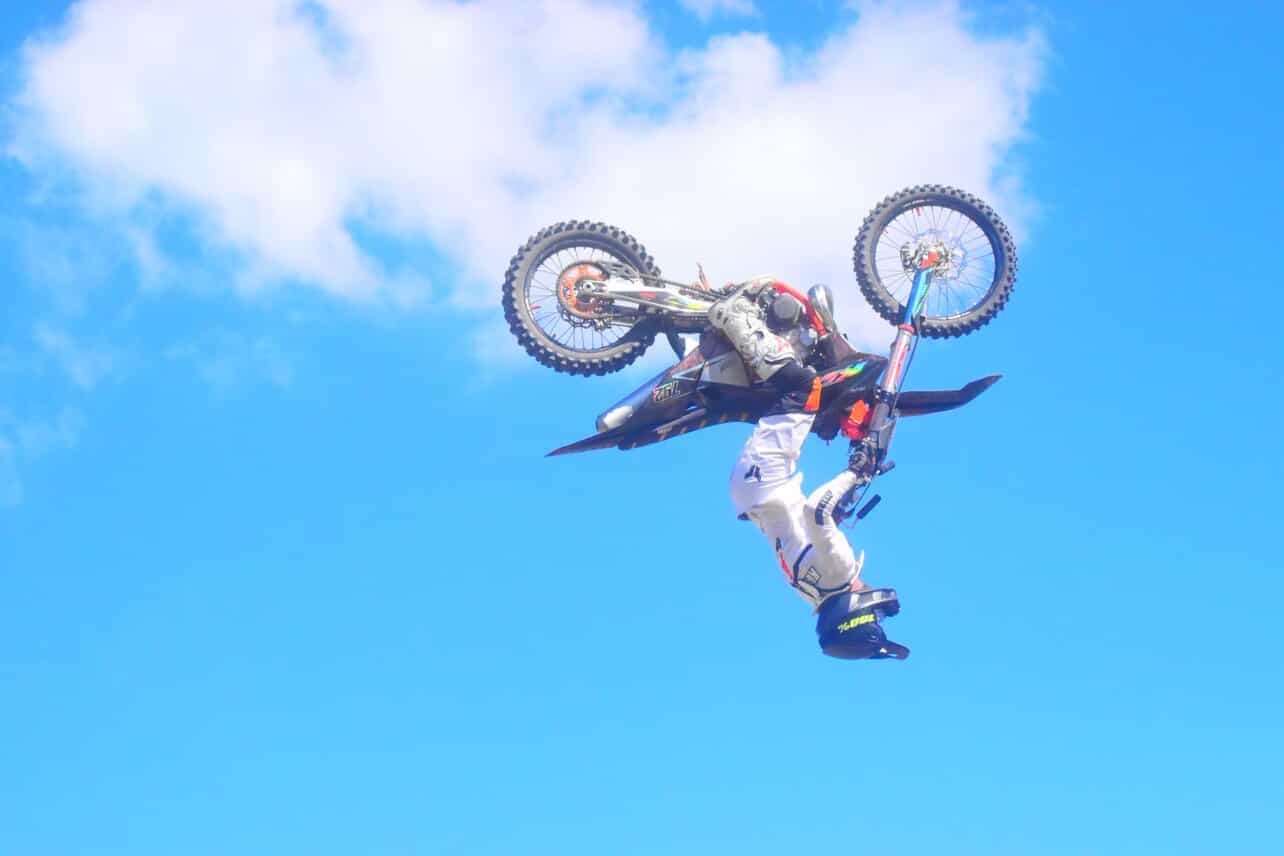 Flips don’t just happen - they’re earned through timing, control, and a whole lot of repetition. We caught up with Nate Kowaltske to ask him about his journey into flip tricks, how he trains, how his bike setup has evolved, and what it really takes to move a trick from practice into a show run. Here’s Nate’s take, straight from the workshop floor to the ramp.
When did you first decide it was time to start throwing flips?
“The decision of starting to learn the flip come about when I was getting pretty comfy and happy with the amount of upright tricks I had, I figured it was about the right time to take the next step.”
What was harder than you expected when learning your first backflip?
“One thing I struggled with when learning my first flips definitely has to be the timing of when to actually start the pull for the flip.”
Was there a specific moment where flips started to feel ‘normal’?
“They started to feel like a normal part of my trick list pretty much when I started doing them at shows and everyone’s different set ups.”
How different is the mental game between straight jumps and flip tricks?
“The mental game is a massive part of the whole sport but for me with flip tricks I have to be very focused on every aspect and try to relax myself before I even start to run in at the ramp.”
What goes through your head right before you drop into a flip run?
“I tend to try and relax and just focus on when to start the pull as I leave the ramp.”
How has your training changed since adding flips to your trick list?
“In the way of training it’s pretty much stayed the same since adding flips I try to just normalise it apart of my run when I’m training and not overthinking it.”
How important is gym work and body control for flip tricks?
“Gym work is very helpful but body control especially as when u pull for the flip everything has to happen all at once you legs, arms and hips all help at once.”
Do you visualise tricks before sending them, and how detailed does that get?
“Yes, i definitely visualise the tricks before I go do them, differently helps a lot to go through and study footage of other riders doing them to get a better understanding of what’s involved.”
 Roughly how many reps does it take before a new flip trick feels consistent?
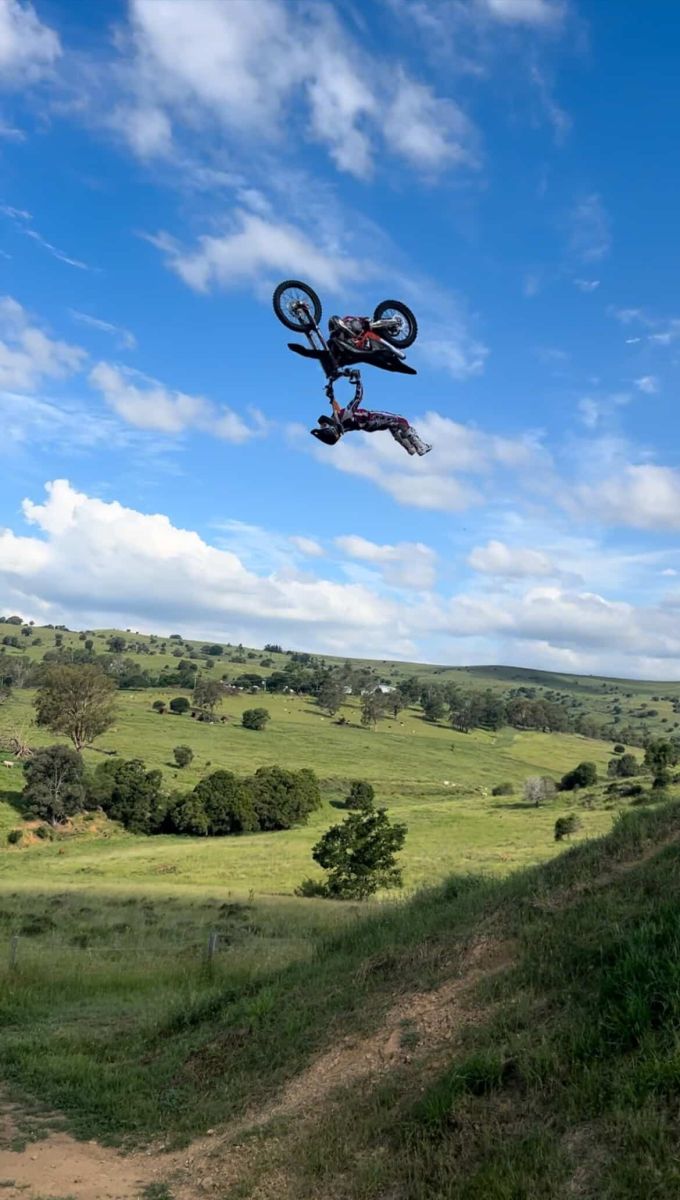
“For me to feel consistent with flip tricks it’s not really how many I do in one session it’s more so if I do them each session that’s when I feel really comfortable and consistent.”
Did you change anything on your bike setup once you started flipping?
“For bike set up when I started flipping I added grip tape to the sides of my frame and side shrouds. As well as adding flip levers to start working on flip tricks.”
How important is throttle control compared to body position in flip tricks?
“Throttle control is just as important as body positioning when doing flip tricks, they both work together to be able to make the flip tricks go as smooth as possible.”
Is there a piece of gear or setup choice that’s become essential since learning flips?
“Grip tape I feel is the most helpful as I feel a lot better gripped to the bike as the flip comes around.”
What’s the first thing you check on the bike before a flip session?
“I usually will do a proper check over of most of my bike but my most important things is wheels and suspension.”
What’s the next flip trick you’re working toward?
“At this point in time I’m aimed for a very clean style.”
How do you decide when a trick is ready to move from training into a show run?
“As I spoke on before to take any trick from training to a show run is when I’m consistently and comfortably doing them in practice sessions.”
What excites you most about where your riding is heading now?
“I’m really happy with the way my riding career is heading have some big indoor stadium shows lined up for the year and overall really keen to keep progressing.”
What advice would you give riders who are thinking about stepping into flips for the first time?
“My advice for riders thinking about it is that the flip is definitely not a trick that you need to rush when learning take the steps slowly to avoid injury.”
Nate’s approach to flips says it all - no rushing, no shortcuts, just solid preparation and consistency. It’s a reminder that progression in freestyle motocross is built the same way as anything else in the workshop: step by step, done properly, and with respect for the process.